
What Is Ayurveda?
Ayurveda is an ancient Indian system of health that aims to keep your body, mind, and spirit in balance, not just free from disease.
It is both a medical science and a way of living that teaches how to stay well, prevent illness, and age gracefully in harmony with nature.
Classical texts like the Charaka Samhita describe Ayurveda as knowledge of what is beneficial and harmful for life, and how to live a full span of years with health and clarity.
Roots in the Vedic Tradition
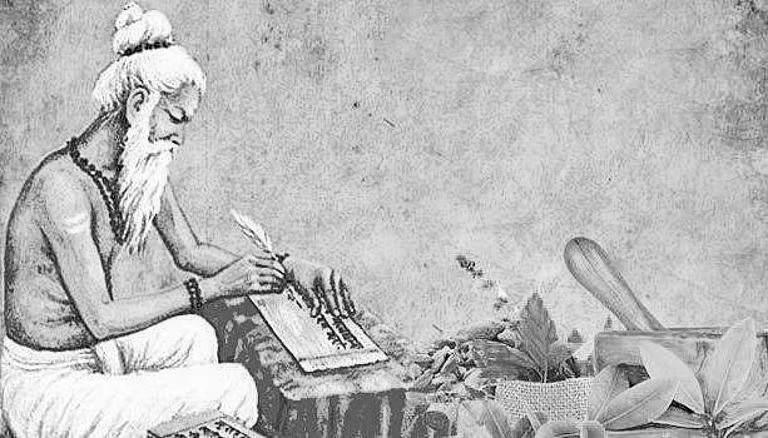
Ayurveda originated in ancient India as part of the Vedic tradition, growing out of the same cultural and spiritual context that gave rise to yoga, meditation, and other classical Indian sciences.
Preserved in Classical Ayurvedic Texts
Its core medical knowledge is preserved in foundational texts like the Charaka Samhita and Sushruta Samhita, which describe anatomy, diagnosis, treatments, surgery, and lifestyle guidelines in systematic detail.
From Ancient Scriptures to Modern Institutes
These works form the basis of India’s classical medical literature and are still studied today in BAMS (Bachelor of Ayurvedic Medicine and Surgery) programs and national institutes such as the All India Institute of Ayurveda in New Delhi, while Ayurveda continues to be practiced worldwide as a holistic health system.
Meaning of the Word “Ayurveda”
Ayur = life
Veda = knowledge or science
So Ayurveda literally means “the science of life.”
Traditional Ayurvedic texts describe it as knowledge that covers every aspect of life—physical, mental, emotional, and spiritual.
How Ayurveda Defines Real Health
In Ayurveda, health is much more than “no disease.” You are considered healthy when:
Your doshas (Vata, Pitta, Kapha) are in balance
Your agni (digestive fire) works properly
Your dhatus (body tissues) are well nourished
Your malas (waste products) are eliminated smoothly
Your mind, senses, and spirit feel calm, clear, and content
This holistic definition is drawn from classical descriptions in texts like Sushruta Samhita, which emphasize balance in body functions and peace of mind as the true sign of health.
Any disturbance in this balance—through food, habits, stress, climate, or emotions—can slowly lead to illness if not corrected.
How Ayurveda Lives at Elephant Pass
Doctor-Led Ayurvedic Consultation
Your stay begins with a one-to-one consultation, where the Ayurvedic doctor studies your doshas, digestion, lifestyle, and current imbalances to design a safe, personalized plan for you.
Tailor-Made Healing Programs
Based on this assessment, you receive a tailored combination of Ayurvedic therapies, herbal support, yoga, and meditation, so that treatments, practices, and rest all work together toward your specific health goals.
Sattvic Food for Your Dosha
You are served simple, sattvic vegetarian meals prepared in line with Ayurvedic principles and adjusted to your digestive capacity, helping your body absorb treatment better and keeping your mind light and clear.
A Quiet Riverside Healing Environment
Set by the Periyar River and surrounded by greenery, Elephant Pass offers a calm, nature-rich atmosphere where you can slow down, sleep deeply, and allow emotional stress to gently unwind.
What People Use Ayurveda For Today
Today, people around the world turn to Ayurveda mainly for chronic and lifestyle-related issues, such as:
Digestive discomfort and metabolic imbalance
Mild joint pain and stiffness
Skin issues and low energy
Gentle detox, weight balance, and healthy aging
Ayurveda is usually used as a complement to modern medicine—especially for prevention, long-term management, and recovery—not as an emergency or standalone system for serious acute conditions.
The Five Elements: Foundation of Ayurveda
Ayurveda explains the body and the universe through five elements (Pancha Mahabhuta):
Space (Akasha) – openness, cavities, subtle vibration
Air (Vayu) – movement, flow, lightness
Fire (Agni/Tejas) – heat, transformation, metabolism
Water (Jala) – fluidity, cohesion, lubrication
Earth (Prithvi) – solidity, structure, stability
These are not chemical elements. They are qualities used to understand how foods, climates, emotions, and body states affect you (for example: hot/cold, light/heavy, dry/oily).
This five-element model is a core principle repeated across major Ayurvedic compendia and modern teaching materials.
Our Ayurveda & Wellness Services
At Elephant Pass Ayurveda & Yoga Retreat, we offer a complete range of authentic Ayurvedic treatments and holistic wellness programs designed to restore balance and wellbeing.
Our core services include:
- Ayurvedic Doctor Consultations
- Panchakarma Detox Programs
- Rejuvenation & Wellness Therapies
- Stress Management Programs
- Weight Management Programs
- Ayurveda & Yoga Retreat Packages
- Personalized Lifestyle Correction Programs
All treatments are customized after detailed consultation with our Ayurvedic doctors to ensure each guest receives a personalized healing experience.
Guests can choose from short-term wellness retreats or long-duration therapeutic programs depending on their health goals.
What is Ayurveda FAQs
Frequently Asked Questions
What is the main principle of Ayurveda?
Ayurveda is based on the idea that health comes from balance between the body, mind, lifestyle, and environment. It focuses on maintaining harmony rather than only treating symptoms.
Why does Ayurveda focus on body constitution?
Ayurveda believes every person has a unique mind-body constitution, known as dosha balance. Understanding this helps create more personalised approaches to health and wellness.
How does Ayurveda view disease and imbalance?
According to Ayurveda, imbalance may develop due to factors such as stress, poor digestion, unhealthy routines, improper diet, lack of sleep, or environmental influences.
Why are natural therapies important in Ayurveda?
Ayurveda uses natural therapies such as herbal oils, massage, detoxification, breathing practices, yoga, and dietary guidance to support the body’s natural healing process.
Does Ayurveda only focus on physical symptoms?
No. Ayurveda also considers emotional wellbeing, mental clarity, stress levels, sleep quality, and lifestyle habits as important parts of overall health.
Can Ayurveda work alongside modern medicine?
Ayurveda is often used as a complementary wellness approach alongside modern medical care, depending on the individual’s condition and healthcare guidance.
Start with a Free Ayurvedic Doctor Consultation
Not sure what’s right for your health? Our Ayurvedic doctor will listen to your concerns and suggest the best retreat program, dates, and budget for you.

“Where You Can Meet Nature” Tripadvisor Travellers’ Choice 2025 Ayurveda Retreat in Ernakulam, Kerala
Elephant Pass Ayurveda and Yoga Retreat, Behind Old Elephant Kraal, Kodanad, Ernakulam (Dist), Kerala – 683544
About Us
Wellness Packages
Stay & Experience
- Room Types & Accommodation
- Ayurveda Cuisine & Meals
- Daily Schedule
- Facilities & How to Reach
- Yoga & Meditation Programs
- Kerala Sightseeing Attractions
- Know Herbs & Ingredients
- Post Retreat Activities
© 2026 Elephant Pass Ayurveda & Yoga Retreat, Kochi, Kerala. All Rights Reserved.
Wordpress & Digital Marketing by Kerala Digital Marketing Agency