
Ayurvedic Digestive Health & IBS Program at Elephant Pass
Our Digestive Health & IBS Program is designed for guests who live with ongoing digestive discomfort—such as IBS‑like symptoms, acidity/GERD, chronic constipation, bloating, and gas—and want a structured, natural way to reset their gut using Ayurveda in a calm Kerala retreat setting.
Ayurveda sees most digestive complaints as rooted in the state of agni (digestive fire) and the build‑up of ama (toxic residue), with different patterns depending on which dosha—Vata, Pitta, or Kapha—is predominant. At Elephant Pass, we apply this logic in a doctor‑led, personalised program that combines diet, mild Panchakarma, herbs, yoga, and mindful routines to support long‑term digestive balance.
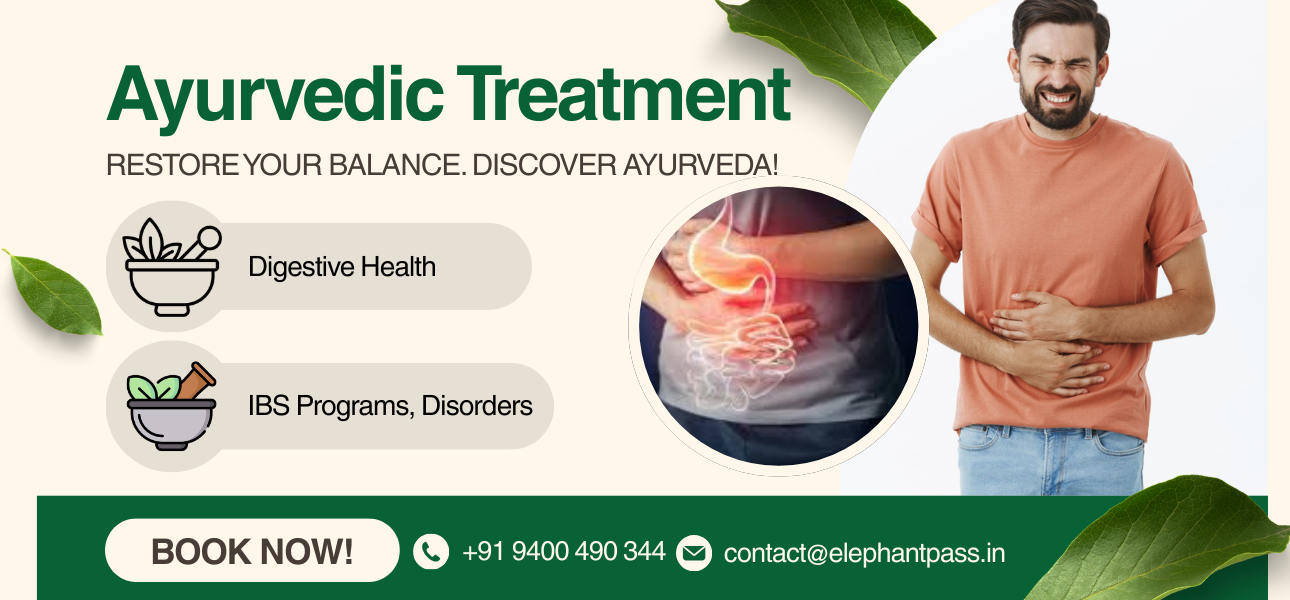
This program is suitable as supportive care for:
What This Program Supports
IBS‑like symptoms: abdominal pain or cramps, bloating, gas, irregular bowel habits (constipation, loose stools, or alternating patterns).
Acidity / GERD: heartburn, reflux, sour belching, burning in the chest or upper abdomen.
Chronic constipation: infrequent or hard stools, straining, feeling of incomplete evacuation.
Functional digestive complaints: fullness after meals, heaviness, unpredictable appetite, “sensitive gut” without structural disease on tests.
It is not intended for suspected or diagnosed cancer, active bleeding ulcers, acute surgical conditions, or severe inflammatory bowel disease (these require hospital‑based care).
Ayurvedic View of Digestive Disorders
Ayurveda places digestion at the center of health. The strength and quality of agni (digestive fire) determine whether food is properly transformed into nutrients or turns into ama (toxins).
Classically, four states of agni are described:
Sama Agni (balanced) – regular appetite, smooth digestion, normal stools, clear mind.
Vishama Agni (irregular) – linked to Vata; symptoms include variable appetite, gas, bloating, cramping, alternating constipation and loose stools, typical in many IBS cases.
Tikshna Agni (sharp) – linked to Pitta; strong hunger, acidity, burning, loose stools, irritability.
Manda Agni (sluggish) – linked to Kapha; low appetite, heaviness, slow digestion, mucus, weight gain.
When agni is disturbed for long, ama forms and can:
Irritate the gut lining.
Disturb motility and absorption.
Contribute to IBS‑like symptoms, reflux, and chronic constipation.
Ayurvedic management focuses on:
Balancing agni (not too weak, not too sharp).
Clearing ama from the gut.
Balancing Vata, Pitta, or Kapha patterns underlying your symptoms.
Stay & Facilities
Ayurvedic Treatments in the Digestive Health & IBS Program
The program is customised by the Ayurvedic doctor after reviewing your symptoms, dosha state, diet, stress patterns, and (if available) medical reports. Common elements include:
1. Diet Resets and Meal Timing
A simple, freshly cooked vegetarian diet tailored to your dominant pattern (Vata, Pitta, Kapha) and IBS type.
Emphasis on:
Warm, lightly spiced, easy‑to‑digest meals.
Regular meal times; no heavy late‑night eating.
Avoiding known triggers such as very spicy, fried, or heavily processed foods, and, when needed, specific items that aggravate your symptoms.
The goal is to reset agni gently and reduce irritation, not to impose extreme or faddish diets.
2. Mild Panchakarma (Where Indicated)
For guests who are strong enough and whose condition is suitable, the doctor may recommend mild Panchakarma as a gut‑focused cleanse:
Virechana (therapeutic purgation) – helps clear excess Pitta and ama from the digestive tract and liver; useful in some acidity/GERD and Pitta‑dominant IBS patterns.
Basti (medicated enema) – especially helpful for Vata‑type IBS with constipation, bloating, and cramping, helping to lubricate, calm, and cleanse the colon.
These procedures are cornerstones of Ayurvedic gut detox when used correctly, and are only offered after proper preparation and assessment.
Stay & Facilities
Ayurvedic Treatments Used in This Program
3. Herbs to Support Digestion and Motility
Depending on your pattern, the doctor may prescribe classical herbal preparations or combinations that:
Strengthen agni (Deepana),
Aid digestion (Pachana),
Improve motility and absorption (Sangrahi), and
Soothe the gut lining.
Examples used in practice (not brand claims) include:
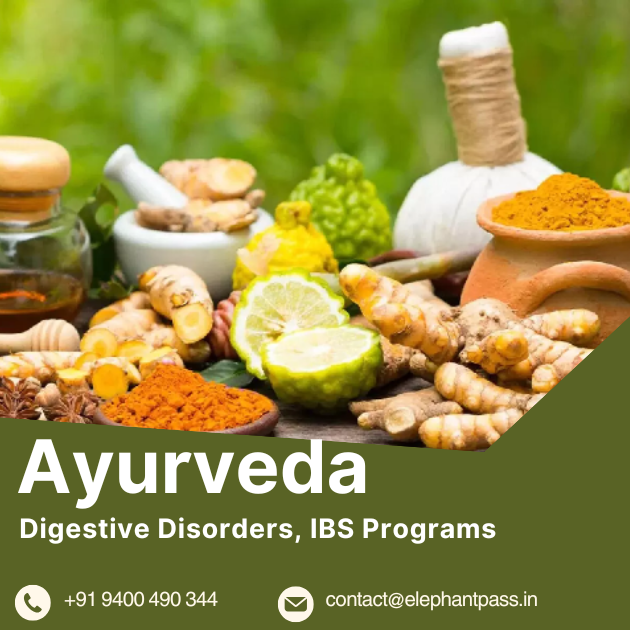
Triphala – widely used for gentle bowel regulation and detox.
Bilva‑based preparations in some IBS and diarrhoea‑dominant cases.
Spices like ginger, cumin, fennel, and ajwain, used appropriately in food or teas.
All herbs are chosen individually to avoid worsening your particular pattern.
4. Yogasanas and Breathing for Gut & Nervous System
Because stress and emotions strongly affect IBS and digestion, the program includes:
Gentle yoga poses that massage the abdomen, improve circulation, and support peristalsis without straining.
Breathing exercises and relaxation to calm Vata in the gut–brain axis.
Simple mindfulness around eating (slow, attentive, device‑free meals) to decrease nervous system overload during digestion.

Stay & Facilities
Expected Changes
Guests who complete a digestive‑focused retreat and follow post‑stay advice often notice:
More regular bowel movements, with less straining or urgency.
Reduced bloating, gas, and abdominal discomfort.
Improved appetite—neither too weak nor excessively strong.
Lighter feeling after meals and more stable energy throughout the day.
A better sense of which foods, timings, and habits suit their unique digestion.
Long‑term stability depends on how consistently you apply the food and lifestyle principles learned during your stay.
Suitability & Safety
Suitable For
People with IBS‑like symptoms who have been medically evaluated and do not have red‑flag signs (unexplained weight loss, bleeding, high fever, etc.).
Those with acidity/GERD, chronic constipation, or functional dyspepsia who want to explore a structured, holistic approach.
Guests ready to modify their diet and routine, not just add therapies.
Not Suitable As Primary Care For
- Suspected or confirmed cancer, especially of the GI tract.
- Active bleeding ulcers or severe inflammatory bowel disease.
- Acute surgical emergencies such as appendicitis, bowel obstruction, or perforation.

The Riverside Environment
Digestive Health Program at Elephant Pass
At Elephant Pass Ayurveda & Yoga Retreat, we create an environment where your digestive system can truly rest and rebuild:
Carefully Designed Menus
No junk or highly processed foods.
Meals are cooked fresh, using easily digestible ingredients and spices aligned with your dosha state and current agni.
Special attention is given to meal order, spacing, and portion size so your gut is supported rather than overloaded.
Mindful Eating & Coaching for Home
You’ll be guided to eat slowly, chew well, and avoid distractions, which alone can significantly ease symptoms for many IBS patients.
Before you leave, the doctor can provide personalised diet and routine guidelines so you know how to continue at home—what to emphasise, what to reduce, and how to adjust based on your body’s signals.
Our Ayurveda & Wellness Services
At Elephant Pass Ayurveda & Yoga Retreat, we offer a complete range of authentic Ayurvedic treatments and holistic wellness programs designed to restore balance and wellbeing.
Our core services include:
- Ayurvedic Doctor Consultations
- Panchakarma Detox Programs
- Rejuvenation & Wellness Therapies
- Stress Management Programs
- Weight Management Programs
- Ayurveda & Yoga Retreat Packages
- Personalized Lifestyle Correction Programs
All treatments are customized after detailed consultation with our Ayurvedic doctors to ensure each guest receives a personalized healing experience.
Guests can choose from short-term wellness retreats or long-duration therapeutic programs depending on their health goals.
DIGESTIVE IBS ISSUES FAQ
Frequently Asked Questions
Is Ayurveda good for IBS?
Multiple Ayurvedic clinics and reviews describe holistic protocols—diet, herbs, Panchakarma, yoga, and stress management—that can significantly ease IBS symptoms for many patients. IBS is usually chronic and multi‑factorial, so Ayurveda does not promise a quick “cure,” but it offers a structured way to address root imbalances like Vata/Pitta disturbance, weak agni, ama, and stress.
At Elephant Pass, our focus is on reducing your symptom burden and improving quality of life over time, not making unrealistic guarantees.
Can I follow a vegetarian plan with enough protein?
Yes. A well‑planned vegetarian diet can provide sufficient protein, especially when digestion is working well. During your stay:
You will receive meals that combine lentils/legumes, dairy (if suitable), nuts/seeds, and grains in easily digestible forms.
The doctor can adjust your plan if you have difficulty tolerating certain foods (for example, specific lentils in IBS).
You can also receive guidance for maintaining a protein‑adequate vegetarian diet at home that respects your digestive pattern.
Will Panchakarma be necessary for my digestion issues?
Not always. While therapies like Virechana and Basti are powerful tools in digestive detox and are used in some IBS, constipation, and acidity cases, they are not mandatory for everyone.
Whether Panchakarma is recommended depends on:
Your age and overall strength.
How chronic and severe your symptoms are.
The state of your agni and doshas.
For some guests, diet, herbs, and routine changes are sufficient; others benefit from including mild Panchakarma under careful supervision.
How soon will I feel improvement?
Some people notice lighter digestion and less bloating within a few days, simply from eating appropriate food at regular times and resting enough. Deeper, more stable changes in IBS‑type patterns often take:
At least 7–14 days of focused retreat care, and
Several weeks or months of consistent follow‑up at home.
Ayurveda treats digestion as a system that remembers patterns—so the more consistently you apply new habits, the more durable your improvements tend to be.
Do I need a diagnosis before coming for this program?
It is very helpful if you have:
Already been evaluated by a doctor for red‑flag symptoms, and
Have test results (endoscopy, colonoscopy, imaging, blood tests) ruling out serious conditions where possible.
This lets our Ayurvedic doctor focus on functional and lifestyle aspects with more confidence and ensures that nothing requiring urgent medical treatment is missed.
If you haven’t yet seen a doctor and have worrying symptoms (weight loss, bleeding, severe pain, high fever), you should do that before planning a retreat.
Start with a Free Ayurvedic Doctor Consultation
If you’re dealing with IBS‑like symptoms, acidity, constipation, or a “sensitive gut” and want to know whether the Digestive Health & IBS Program at Elephant Pass could help, start with a free Ayurvedic doctor consultation.
Our doctor will review your symptoms, history, and reports, explain how an Ayurvedic approach to digestion works, and suggest a realistic retreat plan and home strategy tailored to your agni and dosha pattern.
Medical Disclaimer – All Ayurvedic consultations and treatments at Elephant Pass are provided by qualified Ayurvedic doctors as part of traditional Ayurvedic medical practice. The information on this page is for general awareness about our services and does not replace a personal consultation, diagnosis, or treatment plan from our doctors or your other healthcare providers. Always discuss your individual health condition, current medications, and treatment options directly with a qualified doctor before making medical decisions or changing any ongoing treatment.


 Verified
 Verified
 Verified
 Verified
 Verified
 Verified
 Verified
 Verified
 Verified


 Trustindex verifies that the original source of the review is Google.
 Trustindex verifies that the original source of the review is Google.
 Trustindex verifies that the original source of the review is Google.
 Trustindex verifies that the original source of the review is Google.
 Trustindex verifies that the original source of the review is Google.
 Trustindex verifies that the original source of the review is Google.
 Trustindex verifies that the original source of the review is Google.
 Trustindex verifies that the original source of the review is Google.
 Trustindex verifies that the original source of the review is Google.

 Trustindex verifies that the original source of the review is Google.

“Where You Can Meet Nature” Tripadvisor Travellers’ Choice 2025 Ayurveda Retreat in Ernakulam, Kerala
Elephant Pass Ayurveda and Yoga Retreat, Behind Old Elephant Kraal, Kodanad, Ernakulam (Dist), Kerala – 683544
About Us
Wellness Packages
Stay & Experience
- Room Types & Accommodation
- Ayurveda Cuisine & Meals
- Daily Schedule
- Facilities & How to Reach
- Yoga & Meditation Programs
- Kerala Sightseeing Attractions
- Know Herbs & Ingredients
- Post Retreat Activities
© 2026 Elephant Pass Ayurveda & Yoga Retreat, Kochi, Kerala. All Rights Reserved.
Wordpress & Digital Marketing by Kerala Digital Marketing Agency