
What Is 3 Doshas in Ayurveda: Vata, Pitta, Kapha
Have you ever wondered why you feel anxious one week, overheated another, and strangely heavy the next? In Ayurveda, the answer often lies in three core energies called doshas: Vata, Pitta, and Kapha. Understanding these gives you a clear, practical language to talk about your body, mind, and symptoms—and helps your Ayurvedic doctor design the right treatment for you.
Think of the doshas as your body’s “operating system.” When they are in balance, you feel energised, clear, and resilient. When one or more are disturbed, that’s what shows up as fatigue, digestion issues, sleep disturbance, stress, or joint and skin problems.
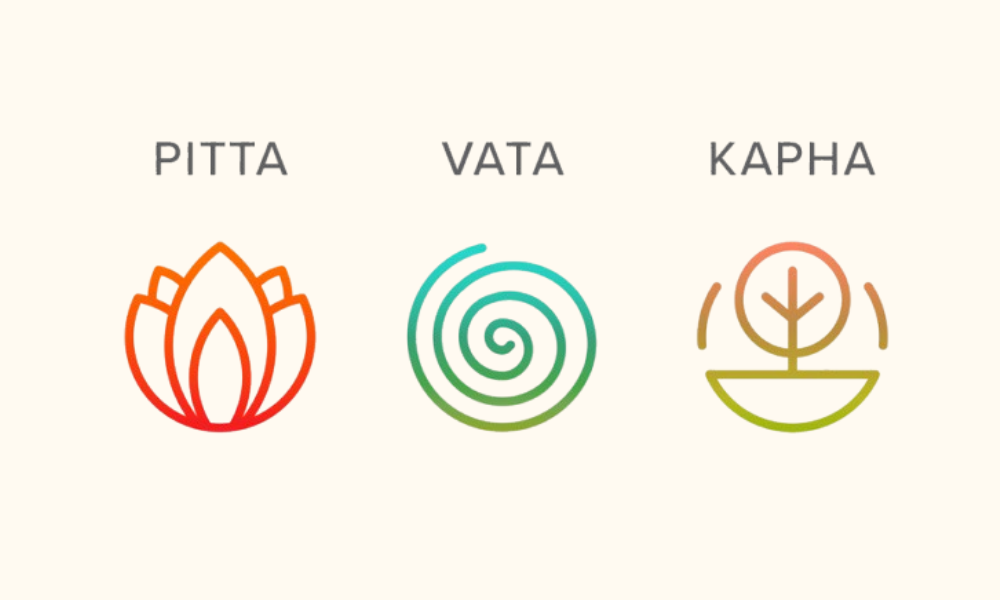
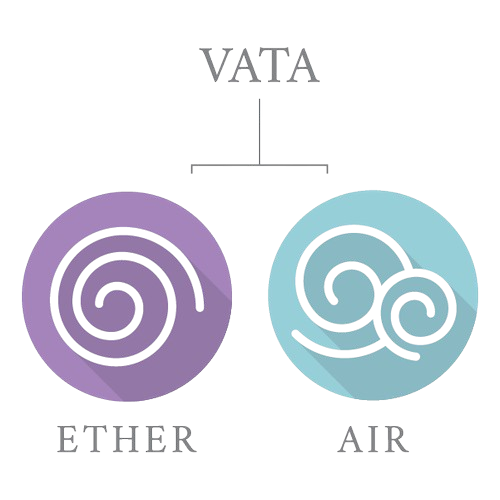
Vata: The Energy of Movement and Flow
Vata is the energy of movement, flow, and change. It governs breathing, circulation, nerve signals, muscle movement, and elimination.
In Charaka Samhita, Vata is described as light, dry, cool, subtle, and mobile. When Vata is in balance, you feel light, quick, creative, and adaptable. When it becomes aggravated, it tends to create dryness, coldness, irregularity, and a scattered or anxious mind.
Common signs of Vata imbalance:
Variable energy and appetite
Constipation, gas, or irregular digestion
Dry skin, dry hair, cracking joints
Anxiety, restlessness, or difficulty focusing
Light, interrupted sleep
In simple terms: Vata imbalance tends to make you feel “too fast, too dry, or too scattered.”
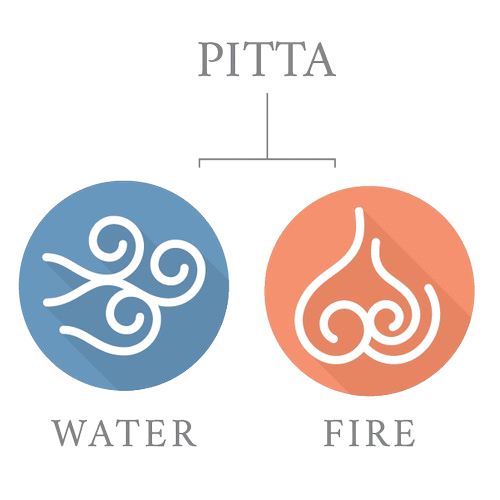
Pitta: The Energy of Digestion and Transformation
Pitta is the energy of digestion, metabolism, and transformation. It governs how your body converts food into energy, regulates body temperature, and supports sharp thinking and focus.
Charaka Samhita and Sushruta Samhita describe Pitta as hot, sharp, light, slightly oily, and penetrating. When Pitta is balanced, you have a strong appetite, good digestion, clear thinking, and healthy warmth in the body. When Pitta is aggravated, it tends to create excess heat, inflammation, acidity, and irritability.
Common signs of Pitta imbalance:
Acidity, heartburn, or burning sensations in the stomach
Loose stools or frequent bowel movements
Hot flushes, sweating, or sensitivity to heat
Irritability, impatience, or a “short fuse”
Inflammatory or heat‑related skin issues
In simple terms: Pitta imbalance tends to make you feel “too hot, too sharp, or too intense.”
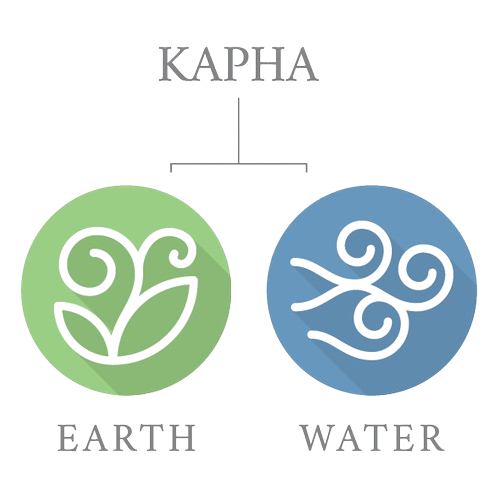
Kapha: The Energy of Stability and Cohesion
Kapha is the energy of stability, structure, and lubrication. It governs the strength and solidity of tissues, the smoothness of joints, and the stability of the mind and emotions.
Charaka Samhita and Ashtanga Hridaya describe Kapha as heavy, cool, slow, oily, smooth, and stable. When Kapha is balanced, you feel grounded, strong, patient, and emotionally steady. When Kapha increases beyond its natural state, it tends to create heaviness, sluggishness, congestion, and resistance to change.
Common signs of Kapha imbalance:
Heavy feeling in body or limbs
Lethargy, low energy, or difficulty waking up
Sluggish digestion and mucus or congestion
Weight gain that feels hard to shift
Emotional attachment, clinging, or “stuckness”
In simple terms: Kapha imbalance tends to make you feel “too heavy, too slow, or too stuck.”
Prakriti and Vikriti: Your Natural Body Type vs. Your Current Imbalance
Ayurveda uses two key concepts to understand your doshas: Prakriti and Vikriti.
Prakriti is your natural constitution—the unique, relatively stable balance of Vata, Pitta, and Kapha you were born with.
Vikriti is your current state, which may be more disturbed or imbalanced due to lifestyle, stress, diet, climate, and life events.
Your Prakriti is like your body’s “default setting.” Your Vikriti is what needs to be supported and brought back toward balance. Granthas like Charaka Samhita and Ashtanga Hridaya emphasise that treatment should consider both—your deep‑rooted nature and your present imbalance—so that changes are sustainable and not too harsh on your system.
For example, a person whose Prakriti is mostly Vata may naturally feel dry and light, but under stress she may develop anxiety and sleeplessness (Vata Vikriti). The treatment will gently calm Vata, support digestion, and stabilise the nervous system—without pushing her toward heavy, Kapha‑like habits that would feel unnatural.

Why Your Doshas Matter for Your Health
The reason doshas are so important is that they directly shape your symptoms and your health patterns. When doshas are in their natural balance, digestion is smooth, sleep is deep, energy is steady, and the mind feels calm and clear.
When a dosha is out of balance, it shows up in clear, everyday ways:
Vata imbalance often shows as dryness, anxiety, restlessness, sleep issues, and irregular digestion.
Pitta imbalance often shows as heat, acidity, irritability, sensitivity to heat, and inflammatory conditions.
Kapha imbalance often shows as heaviness, lethargy, congestion, slow digestion, and excess weight.
In Ayurveda, symptoms are not treated in isolation. Instead, the doctor looks at which dosha or doshas are likely involved, and then designs a plan that gently brings them back toward balance. This is why understanding your doshas isn’t just theory—it’s the key to personalised care.
Granthas like Charaka Samhita and Sushruta Samhita present the Tridosha (Vata–Pitta–Kapha) concept as the foundation of both health and disease, and that idea still guides how Ayurvedic doctors understand the body today.
The way you live day‑to‑day has a direct impact on your doshas and, therefore, your health and symptoms.
How Your Daily Life Affects Your Doshas
Diet
Too spicy, hot, or fried foods → aggravates Pitta
Too cold, raw, or dry foods → aggravates Vata
Too heavy, oily, or sweet foods → aggravates Kapha
Lifestyle
Irregular routines, late nights, overwork → aggravates Vata
Excess heat, strong sun, or intense competition → aggravates Pitta
Sedentary lifestyle, long hours sitting, lack of exercise → aggravates Kapha
Climate and seasons
Cold, dry seasons → tend to increase Vata
Hot, intense seasons → tend to increase Pitta
Wet, cool, heavy seasons → tend to increase Kapha
Emotions and stress
Constant worry, change, travel → aggravates Vata
Anger, frustration, perfectionism → aggravates Pitta
Grief, attachment, emotional stagnation → aggravates Kapha
How Our Doctor Assesses Your Doshas at Elephant Pass
At Elephant Pass Ayurveda & Yoga Retreat, your doshas are not guessed or based on a quick online quiz. Instead, your Ayurvedic doctor gathers a clear picture of your body, digestion, and lifestyle through a detailed consultation.
This usually includes:
Observing your body type, skin, eyes, tongue, and posture
Asking about digestion, appetite, bowel habits, sleep, menstruation (if applicable), energy levels, and mood
Understanding your work style, routines, stress patterns, and environment
Noting your sensitivity to climate and common complaints
From this, the doctor understands your Prakriti (natural constitution) and Vikriti (current imbalance) and then suggests a tailored program that may combine Ayurvedic therapies, herbal support, yoga, and meditation to gently bring your doshas back toward balance.
If you are unsure which dosha is strongest in you, or how your symptoms might be linked to dosha imbalance, our doctor can help you make sense of it and recommend the right retreat program for your needs.
How Ayurveda Brings Your Doshas Back into Balance
When a dosha is out of balance, Ayurveda does not only treat the symptom. It works to restore the natural equilibrium of Vata, Pitta, and Kapha so that symptoms can naturally calm down.
Typical approaches include:
Diet adjustments tailored to your dominant dosha(s):
For Vata: warm, cooked, slightly oily, grounding foods
For Pitta: cooling, easy‑to‑digest, mildly spiced foods
For Kapha: light, warm, moderately spiced, not heavy or oily
Daily routine (Dinacharya) and sleep hygiene aligned with your dosha needs
Herbal support that gently calms, supports digestion, or clears excess
Body therapies such as oil massages, fomentation, or Panchakarma procedures, chosen based on which dosha is predominant
Yoga, pranayama, and meditation adapted to pacify or stimulate the right dosha
Granthas like Charaka Samhita, Sushruta Samhita, and Ashtanga Hridaya describe dosha‑specific lifestyle and treatment guidelines, which are still used today in BAMS (Ayurvedic medical degree) teaching and in modern Ayurvedic practice.
3 doshas in ayurveda FAQs
frequenty Asked Questions
What are the three doshas in Ayurveda?
The three doshas in Ayurveda are Vata, Pitta, and Kapha. They are the natural energies that govern how the body and mind function. Every person has a unique combination of these doshas.
What does Vata dosha represent?
Vata is associated with movement, circulation, breathing, and the nervous system. When balanced, it supports creativity and flexibility. When imbalanced, it may lead to dryness, anxiety, irregular digestion, and restlessness.
What does Pitta dosha represent?
Pitta governs digestion, metabolism, and body temperature. A balanced Pitta supports focus, energy, and healthy digestion, while excess Pitta may cause acidity, irritation, inflammation, and heat-related discomfort.
What does Kapha dosha represent?
Kapha is responsible for stability, strength, lubrication, and emotional calmness. When out of balance, Kapha may contribute to heaviness, sluggishness, congestion, and low energy levels.
How do I know which dosha is dominant in me?
An Ayurvedic doctor evaluates your body type, digestion, lifestyle, sleep patterns, emotional tendencies, and other factors to understand your natural constitution (Prakriti) and current imbalance (Vikriti).
Can diet affect the doshas?
Yes. Different foods can increase or calm specific doshas. For example, spicy foods may aggravate Pitta, dry foods may disturb Vata, and heavy foods may increase Kapha.
Start with a Free Ayurvedic Doctor Consultation
If you’re curious about which doshas are strongest in you, or how Vata, Pitta, and Kapha might be connected to your stress, sleep, digestion, or energy, start with a free Ayurvedic doctor consultation.
Our doctor will listen to your concerns, assess your Prakriti and Vikriti, and suggest a retreat program that fits your health goals, budget, and schedule.

“Where You Can Meet Nature” Tripadvisor Travellers’ Choice 2025 Ayurveda Retreat in Ernakulam, Kerala
Elephant Pass Ayurveda and Yoga Retreat, Behind Old Elephant Kraal, Kodanad, Ernakulam (Dist), Kerala – 683544
About Us
Wellness Packages
Stay & Experience
- Room Types & Accommodation
- Ayurveda Cuisine & Meals
- Daily Schedule
- Facilities & How to Reach
- Yoga & Meditation Programs
- Kerala Sightseeing Attractions
- Know Herbs & Ingredients
- Post Retreat Activities
© 2026 Elephant Pass Ayurveda & Yoga Retreat, Kochi, Kerala. All Rights Reserved.
Wordpress & Digital Marketing by Kerala Digital Marketing Agency